July 17, 2026
When dealing with large-scale property updates or managing a hazardous landscape, understanding how a major tree removal project unfolds is essential. Tree removal is a complex task that requires meticulous planning to ensure safety, environmental considerations, and proper resource management. Every tree removal situation is unique, necessitating a customized approach that takes into account the specific conditions of the site and tree in question. The most effective tree removal plans prioritize safety, observing strict protocols to minimize risks to humans and property. Additionally, ecological sensitivity is paramount to limit damage to the surrounding environment, ensuring that the long-term effects of removal are positive rather than detrimental.
Assess the Need for Tree Removal
The initial stage of tree removal involves determining whether a tree poses a risk to people or structures. Trees can become hazardous due to disease, damage, or instability, making them a potential threat during storms or high winds. Property owners planning large developmental updates often look for a comprehensive land clearing service at this stage to address multiple problem areas at once. Arborists evaluate factors such as leaning angles, root exposure, and visible decay to assess hazard levels. Identifying hazardous trees early allows property owners to take preventative measures, potentially averting serious damage or injury. Establishing the need for removal is crucial to planning the safest and most effective course of action.
Examining the health and structural integrity of trees is vital to assess their removal potential. Various techniques, including visual inspections and resistograph tests, help determine the presence of decay, pest infestation, or disease. Understanding a tree's health status guides decision-makers on whether trimming or complete removal is necessary. Healthy trees might only require pruning or bracing, avoiding the need for full removal. Identifying specific health issues allows for targeted interventions, which might preserve the tree if feasible.
Assessing the impact of tree removal on surrounding structures and landscapes is a multifaceted process. Trees often provide shade, reduce wind speeds, and offer privacy, playing an integral role in the microclimate of an area. Their removal can affect local temperature and wind patterns, which might necessitate adaptive measures for homeowners or businesses. For extensive lot preparations, securing a reliable land clearing service helps transition the space smoothly while protecting neighboring structures. Understanding current and future uses of the space aids in planning for replacement plantings or landscape renovations to maintain environmental balance.
Plan and Prepare the Site
The safety and efficiency of a tree removal operation start with a comprehensive site inspection. During this stage, professionals evaluate the working area, looking for potential obstacles such as power lines or building proximity that could complicate removal processes. Detailed maps and photographs are often used to document the site layout, providing a visual aid for planning. Thorough analysis informs the selection of suitable removal methods, mitigating risks associated with unforeseen challenges. By meticulously evaluating the site, crews can prepare for a smooth and safe removal operation.
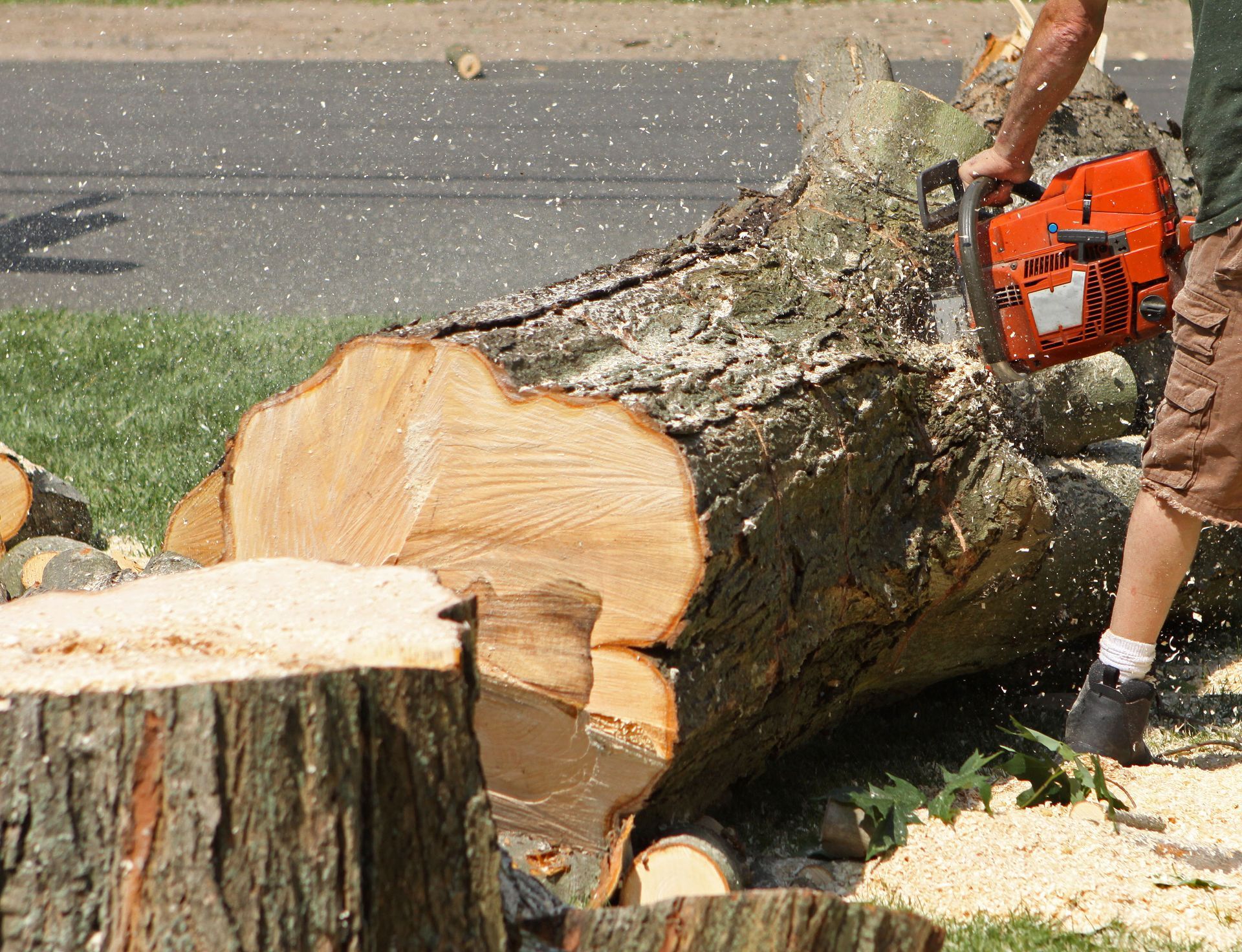
Choosing the appropriate equipment is crucial for addressing the specific demands of each tree removal scenario. Various tools, from chainsaws to cranes, offer different levels of precision and power necessary for complex tasks. When properties require widespread vegetation management, an advanced land clearing service utilizes specialized machinery to handle underbrush simultaneously. The size of the tree, its location, and surrounding hazards all influence equipment choices for ensuring maximum safety and efficiency. Proper equipment helps minimize hazards, reducing the time and labor required for felling, sectioning, and disposal. The right tools are integral in executing an effective tree removal strategy.
Minimizing ecological disruptions during tree removal is key to maintaining environmental health, necessitating a thorough environmental impact assessment. The removal of a single tree can have far-reaching effects on the local ecosystem, affecting everything from soil stability to biodiversity. Techniques like selective cutting and root zone protection help mitigate these impacts, preserving essential ecological functions. According to a report from the World Bank, approximately 15 billion trees are cleared annually, driven primarily by agriculture, logging, and urban development. This statistic highlights the global importance of sustainable practices in tree removal and environmental conservation.
Implement Key Safety Measures
Risk assessment and mitigation are central to safe tree removal operations, involving multiple strategies to prevent accidents. These include identifying potential hazards such as unstable branches or adverse weather conditions that could complicate removal tasks. Property owners managing extensive undergrowth alongside hazardous trees often integrate a precise land clearing service to clear escape routes for the crew. Implementing precautionary measures like strategic rigging, fall protection systems, and controlled cutting techniques can help mitigate risks encountered on site. Regular safety audits ensure compliance with established protocols and highlight areas for improvement. A proactive approach to risk management prioritizes the welfare of both personnel and property.
Securing the work area involves setting up barriers, signage, and drop zones to protect bystanders and properties during tree removal. When managing larger jobs that resemble a dedicated land clearing service, clearly delineating the operation zone prevents unauthorized access and minimizes potential risks. Warning signs communicate necessary precautions to nearby residents and passersby, helping them avoid hazardous areas. Proper securing also involves designating safe escape routes for crew members, enhancing their on-site mobility and safety. Systematically organizing the workspace is crucial to a cohesive and hazard-free operation.
Execute Advanced Cutting Techniques
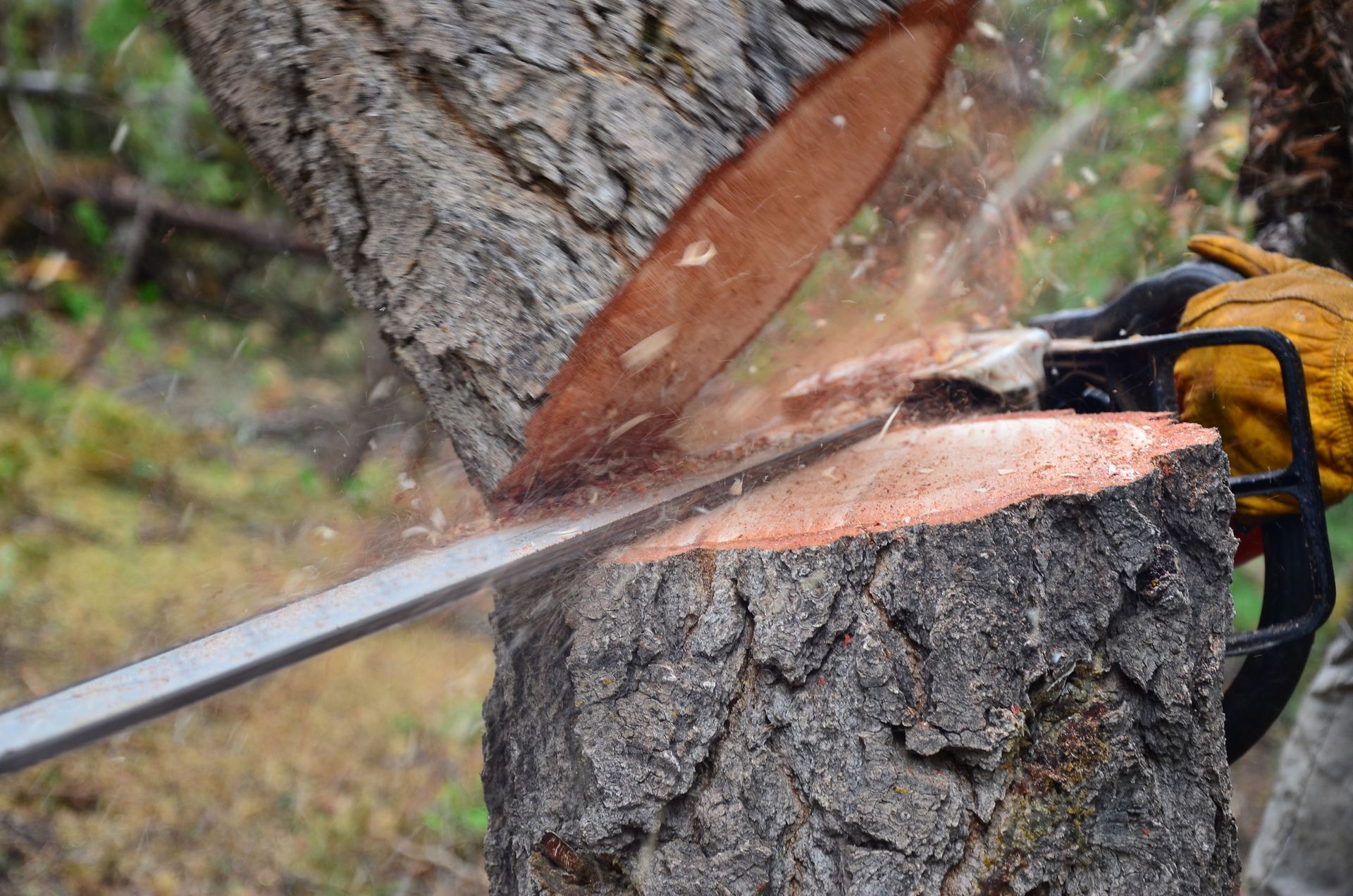
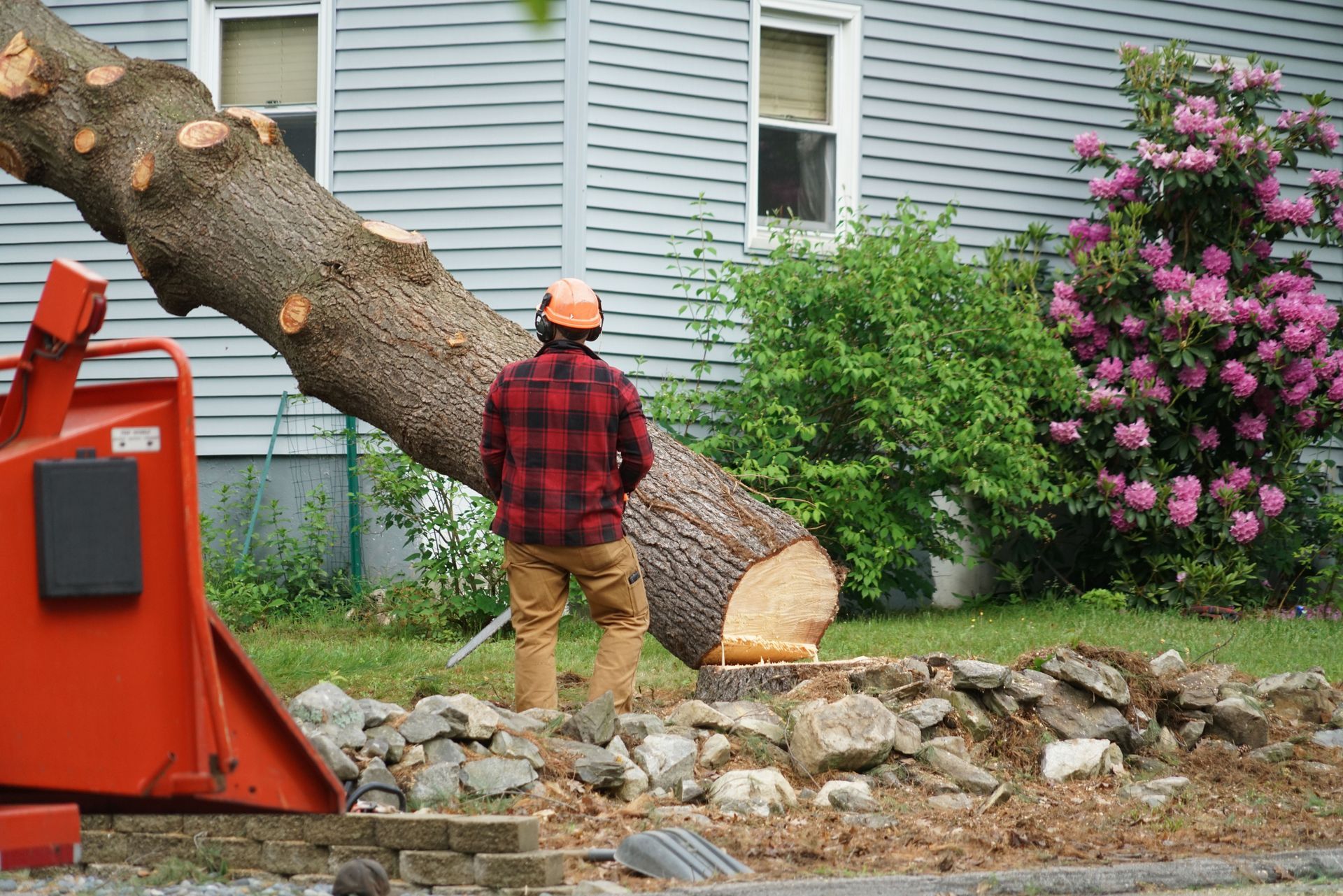
Choosing the correct felling techniques is crucial for the safe and efficient removal of a tree. Methods such as directional felling involve precise cutting with the aim of having the tree land in a predetermined area, minimizing risk to nearby structures. Understanding external factors like wind direction, tree lean, and its weight distribution informs method selection. Employing appropriate felling strategies ensures that tree removal adheres to safety protocols without compromising operational effectiveness. Carefully executed felling techniques protect both crew and surroundings from potential dangers during the removal process.
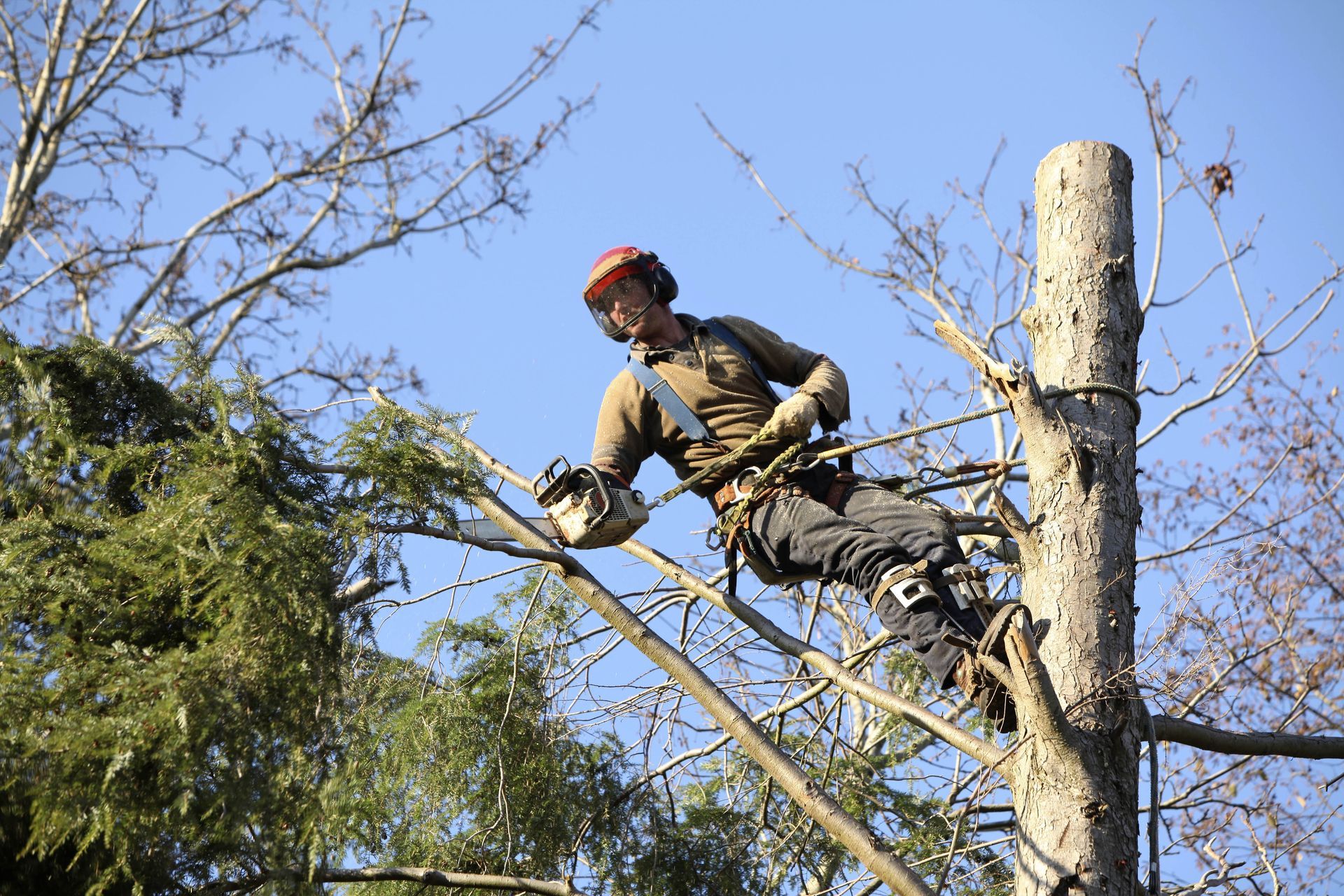
Tackling large or complicated tree removals often necessitates the use of rigging and cranes. These tools provide stability and control, allowing for responsible sectioning and lowering of tree limbs. Rigging setups involve using ropes, pulleys, and blocks, distributing weight to prevent strain on any single point. Cranes are particularly valuable in confined or urban spaces, bypassing obstacles and reducing potential property damage. Deployment of these technologies enhances precision and safety when handling intricate tree removal tasks.
Addressing tree stumps following removal is important for site aesthetics and usability. When full acreage preparation is underway, utilizing an elite land clearing service ensures that local environmental regulations are met perfectly during stump management. Stump grinding employs machines to carve stumps down to below ground level, leaving a smooth finish. Complete stump removal methods might involve excavation, and while more labor-intensive, this process eradicates the root system. Both methods allow future land use, whether for construction or aesthetic purposes, without obstructions. Proper stump management is crucial for seamless site integration following tree removal.
Proper cleanup and debris disposal following tree removal demonstrates environmental and professional responsibility. For extensive backyard overhauls, homeowners often request a professional land clearing service alongside routine pruning to completely revitalize their outdoor spaces. Efficient cleanup requires collecting, cutting, and removing branches, leaves, and wood chips from the site. Some materials may be recycled or repurposed as mulch or firewood, promoting sustainable disposal practices. Complying with local waste disposal regulations is critical, ensuring that operations do not negatively impact community waste systems. The cleanup phase concludes the tree removal process and initiates site restoration efforts.
Tree removal represents more than an isolated intervention, requiring a comprehensive approach to ensure safety, environmental health, and operational efficiency. A systematic approach to planning and execution accounts for ecological, legal, and logistical considerations, mitigating potential risks and maximizing beneficial outcomes. Meticulous processes from assessment through post-removal management demonstrate the multifaceted nature of responsible tree removal. Adhering to best practices supports sustainable development, transforming tree removal into a contributor to community and environmental enrichment. When your property requires professional attention, securing expert storm damage cleanup or specialized tree trimming makes all the difference. Ultimately, tree removal undertaken with foresight and diligence exemplifies the harmony achievable between human progress and nature. Contact Triangle Tree Care LLC today to schedule your consultation and experience our dependable service firsthand.