January 14, 2026
The process of preparing and maintaining land for development or agricultural use can present significant obstacles, particularly when undertaken without professional assistance. These difficulties range from legal and safety concerns to technical limitations and environmental consequences. Understanding these challenges helps property owners make informed decisions when planning land projects. Ultimately, this discussion emphasizes why a professional land clearing service is essential for managing such a complex and demanding task responsibly.
Navigating Legal and Regulatory Challenges
Zoning laws are critical legal frameworks that govern land use and dictate what structures can be built and how land may be used. Without professional guidance, property owners often struggle to interpret these regulations accurately, which can lead to violations. These laws vary widely across jurisdictions, making compliance especially challenging. A qualified land clearing service helps property owners navigate zoning requirements, reducing the risk of regulatory setbacks and ensuring projects move forward lawfully.
Securing appropriate permits is another essential step before any land clearing begins. Permit processes often involve multiple agencies and detailed documentation. Errors or omissions can lead to significant delays or legal complications. A professional clearing service understands these requirements and works efficiently with local authorities to ensure all approvals are properly obtained, allowing projects to proceed without unnecessary interruption.
Environmental regulations add further complexity by protecting natural resources and wildlife. Restrictions related to deforestation, wetlands, or protected species can influence how land clearing is conducted. Noncompliance may result in severe penalties or project suspension. A knowledgeable land clearing service applies environmentally responsible methods that align with both legal standards and sustainable practices.
Liability is also a major concern when clearing land without professional involvement. Accidents, property damage, or environmental harm can expose owners to legal consequences. Professionals reduce these risks by following established safety protocols and regulatory standards.
Managing Safety Risks Effectively
Land clearing activities often involve hazards such as debris, unstable terrain, and underground utilities. These risks pose serious dangers to individuals without proper training. A professional clearing service employs trained personnel who understand how to manage and mitigate these hazards safely and effectively, protecting workers and the environment.
Appropriate safety equipment is essential for reducing injury risks. Without professional involvement, property owners may lack access to proper protective gear. A reputable land clearing service equips teams with specialized safety equipment, ensuring comprehensive protection and adherence to safety standards throughout the project.
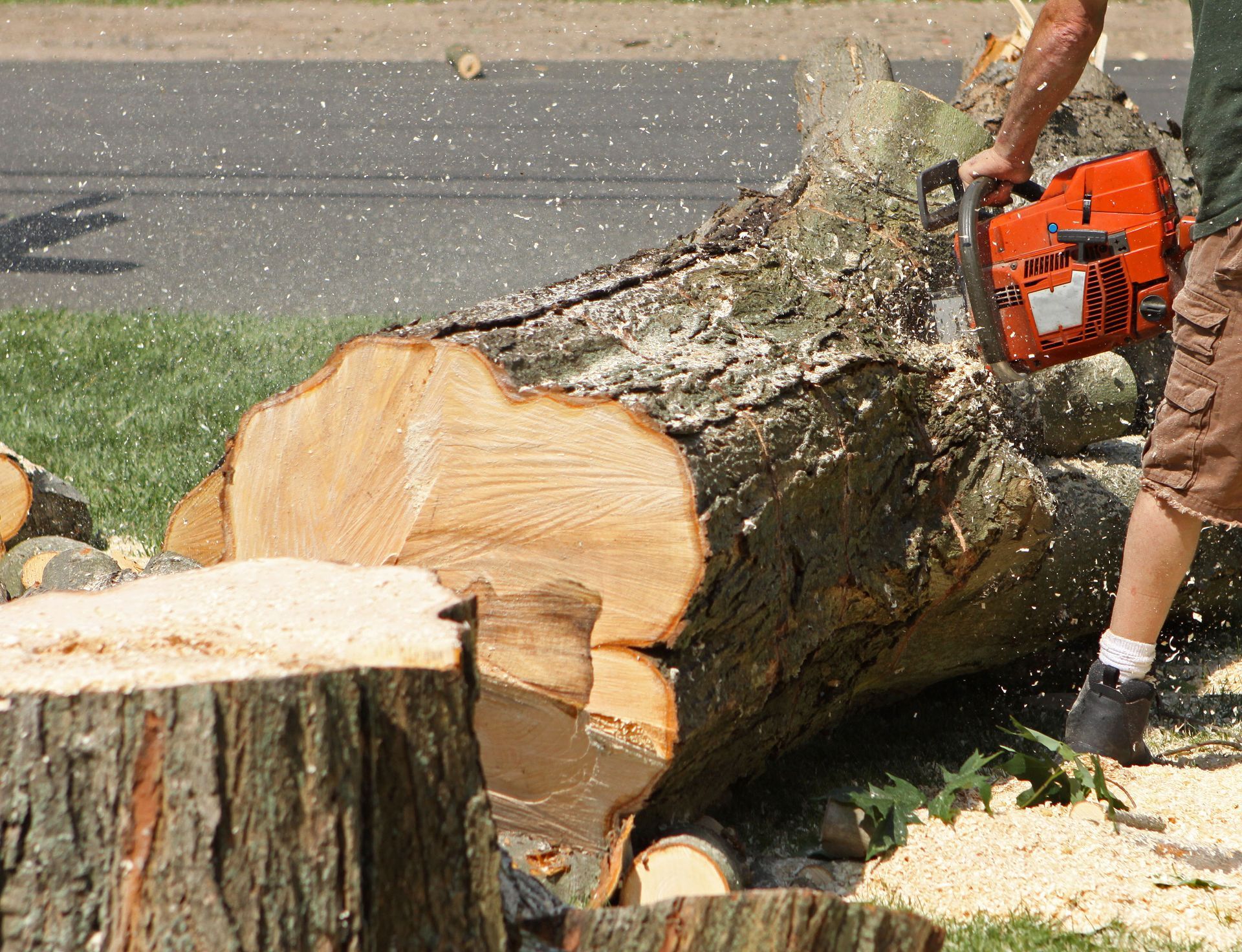
Operating heavy machinery and handling sharp tools requires experience and skill. Without proper training, the risk of accidents increases significantly. A clearing service relies on experienced operators who follow strict safety procedures, minimizing injury risks and maintaining controlled work environments.
Fire hazards are another concern, particularly when clearing dry vegetation. Professionals implement preventive measures to manage ignition risks and control combustible materials. Using a clearing service reduces the likelihood of fires that could threaten nearby properties and ecosystems.
Overcoming Technical Limitations
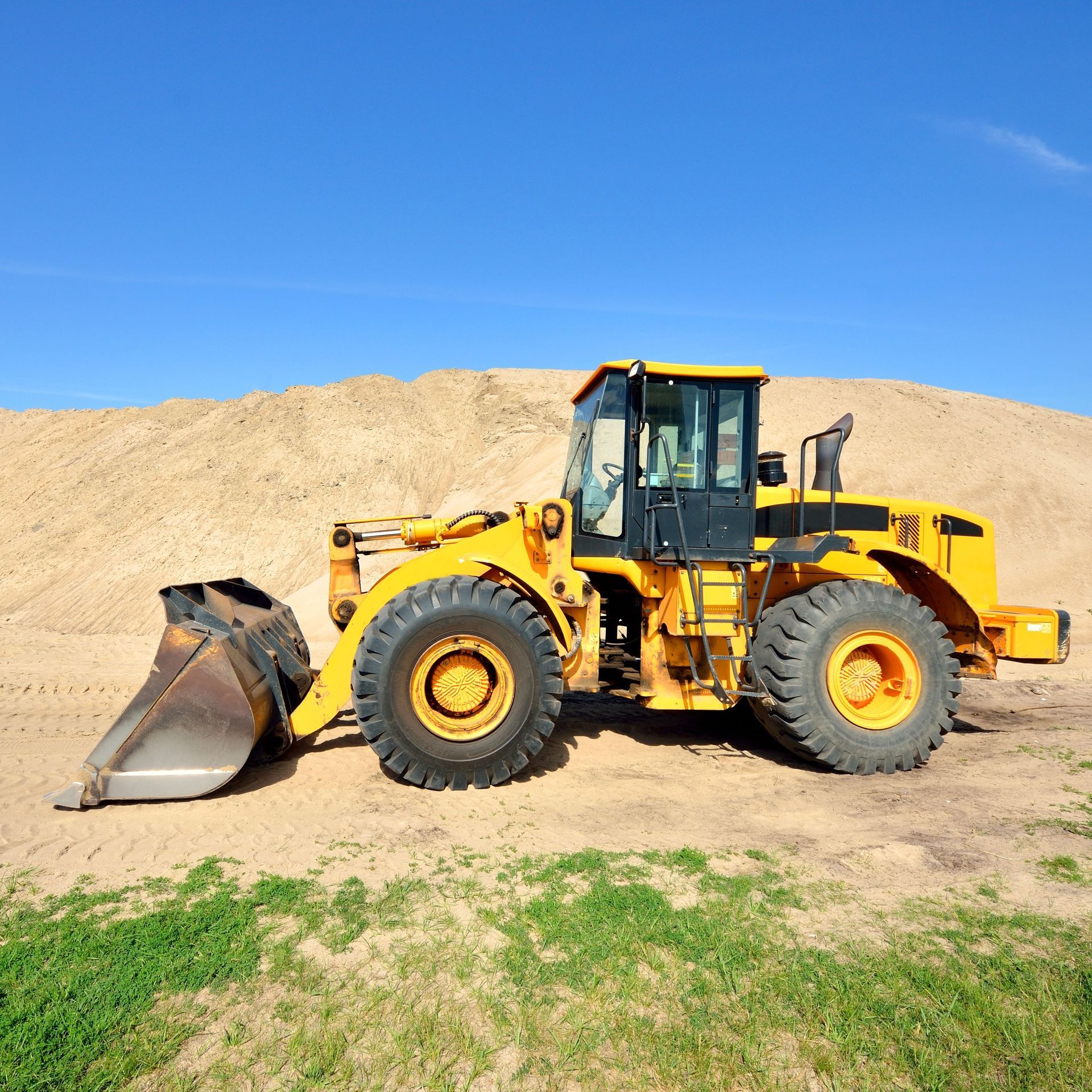
Land clearing requires specialized machinery capable of handling diverse tasks, including tree removal, grading, and debris management. Without access to such equipment, property owners face significant limitations. A professional land clearing service brings the necessary tools and expertise to execute projects efficiently and accurately.
Soil composition plays a vital role in determining appropriate clearing methods. Improper handling can lead to soil degradation and erosion. Professionals assess soil conditions to guide clearing strategies that preserve land integrity. This expertise ensures sustainable land use and long-term viability.
Erosion risks increase when land is cleared improperly. Professionals identify potential vulnerabilities early and implement mitigation measures. A land clearing service applies erosion control techniques that protect both the project site and surrounding areas.
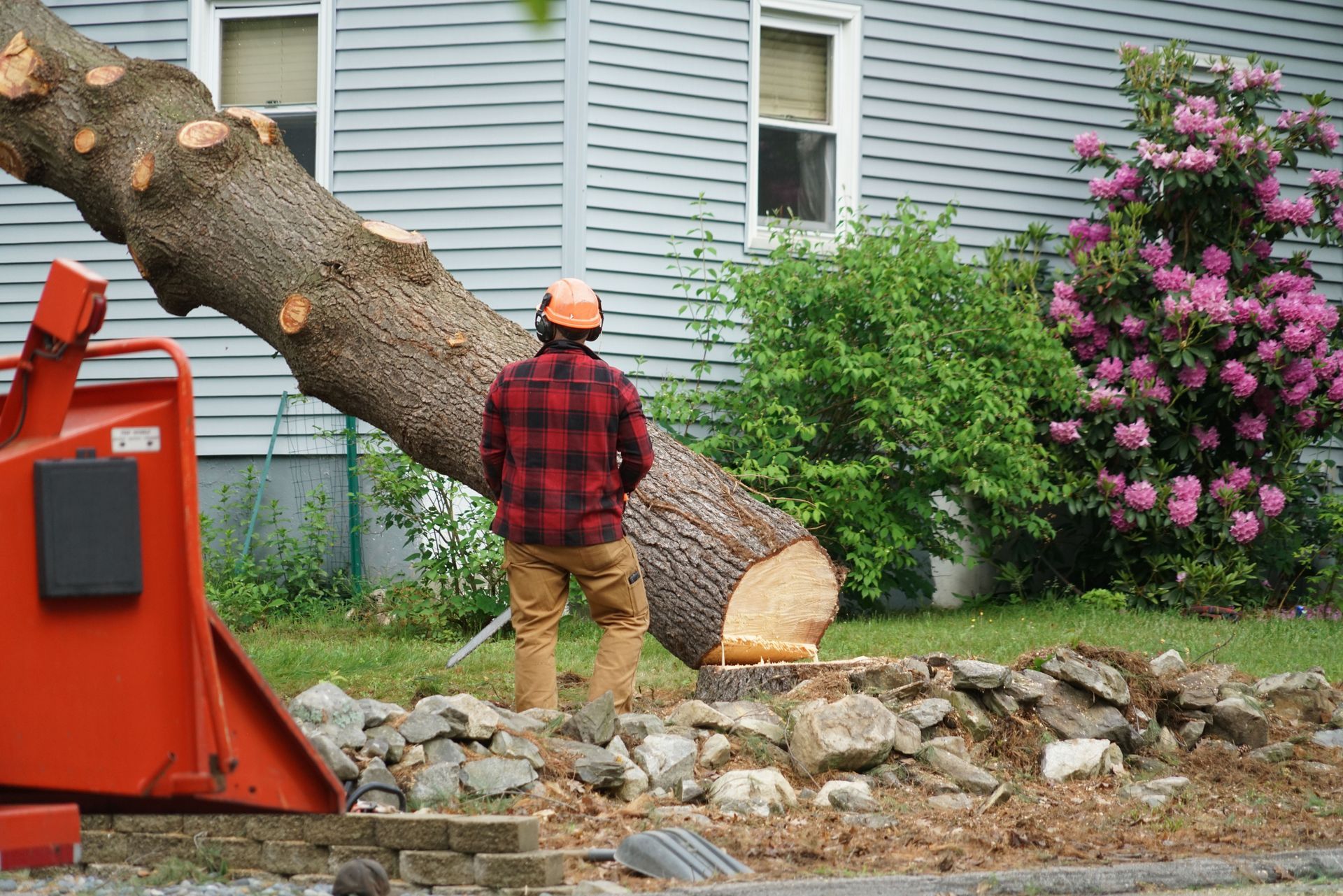
Tree removal, particularly of large or mature trees, requires precision and planning. Professionals use advanced methods to safely remove trees while preserving desirable vegetation. This balanced approach ensures effective land use while maintaining environmental health.
Addressing Time and Efficiency Constraints
Effective scheduling is critical to land clearing success. Professionals coordinate tasks to maintain progress and minimize delays. A clearing service brings structured planning and adaptability, ensuring timelines remain manageable even when challenges arise.
Skilled labor is a vital component of successful land clearing, influencing both efficiency and project outcomes. Without professional help, property owners may lack access to an adequately trained workforce, resulting in diminished productivity and collaboration. According to HomeGuide, it may just take 1 to 3 days to clear a small residential lot with light vegetation, while heavily forested multi-acre properties can require several weeks, further illustrating the need for a skilled team. Professionals ensure the availability of qualified labor, optimizing task execution while maintaining high standards. This competence enhances both project quality and timeliness.
Unexpected delays caused by weather or equipment issues can disrupt progress. Professionals anticipate these challenges and implement contingency plans. Their experience allows projects to continue with minimal disruption.
Coordinating multiple activities requires strong organizational skills. Professionals excel at aligning labor, equipment, and regulatory requirements. A land clearing service ensures seamless coordination, supporting timely and successful project completion.
Minimizing Environmental Impact
Land clearing affects ecosystems and biodiversity, requiring careful planning to minimize disruption. Professionals integrate environmental considerations into every phase of the project. A land clearing service helps balance development needs with ecological preservation.
Wildlife habitats may be disrupted during clearing activities. Professionals implement strategies to reduce harm and collaborate with environmental agencies. A clearing service helps preserve local wildlife populations and ecological balance.
Decisions made during land clearing have long-term environmental consequences. Professionals anticipate these impacts and select methods that promote sustainability. Their strategic approach ensures land health and resilience over time.
Recognizing Long-Term Property Planning Challenges
Beyond the immediate obstacles associated with land clearing, property owners often face broader planning challenges that influence how land can be used in the future. Decisions made during early clearing stages can shape drainage patterns, soil stability, and accessibility for years to come. Without a clear long-term vision, land may be cleared in ways that limit future development options or require corrective work later. Thoughtful planning helps ensure that cleared land supports intended uses such as construction, agriculture, or conservation without unnecessary disruption.
Another challenge involves coordinating land preparation with future phases of development. Clearing land without considering upcoming infrastructure needs, such as access roads or utility placement, can complicate later work. Misaligned planning may require revisiting cleared areas, increasing disruption to the land and surrounding environment. Anticipating future needs allows land preparation efforts to align with broader project goals, creating a smoother transition into subsequent development stages.
Long-term land health is also an important consideration. Clearing practices that fail to account for natural regeneration, soil preservation, or water flow can degrade land quality over time. Erosion, compaction, and loss of vegetation can reduce the land’s ability to support future use. Strategic decision-making during clearing helps preserve soil structure and promotes sustainable land management.
By recognizing these long-term challenges early, property owners can make informed decisions that support both immediate objectives and future flexibility. Effective land preparation is not only about clearing space but also about setting the stage for responsible land use and enduring property value.
Clearing land without professional expertise introduces numerous challenges, including legal, safety, technical, and environmental risks. Engaging a qualified land clearing service helps mitigate these issues while ensuring compliance, efficiency, and responsible land stewardship. Professional involvement supports both immediate project goals and long-term land viability, fostering sustainable outcomes that benefit property owners and the surrounding environment alike. For all of your land clearing needs, contact Triangle Tree Care LLC now!